
Telecommunication Companies in Libya
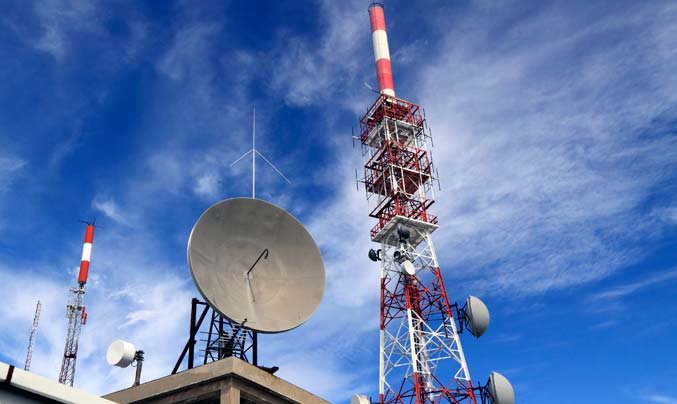
Libya’s telecommunications sector has undergone significant changes over the years, evolving from a state-controlled industry to one that has seen gradual modernization and attempts to liberalize. Despite political instability, the country has developed a relatively functional telecommunications network, providing services such as mobile communication, fixed-line telephony, and internet connectivity. Below are key insights into the telecommunications landscape in Libya.
1. Libyana Mobile Phone
Libyana is one of the two major mobile operators in Libya, established in 2004 as a subsidiary of the Libyan Post, Telecommunication, and Information Technology Company (LPTIC). It has grown rapidly, providing extensive mobile network coverage across the country. Libyana offers GSM services, mobile internet, and a variety of prepaid and postpaid plans. The company has a strong market share due to its reliability and wide accessibility in both urban and rural areas.
2. Al Madar Al Jadid
Al Madar Al Jadid is the second key player in Libya’s mobile telecommunications sector. Also established in 1995 under LPTIC, Al Madar has been instrumental in introducing mobile services to the country. It competes directly with Libyana, offering similar GSM and mobile data services. Al Madar has focused on expanding its network infrastructure, including the rollout of 4G LTE technology, to improve service quality and coverage.
3. Libya Telecom and Technology (LTT)
LTT is the primary internet service provider (ISP) in Libya, also owned by LPTIC. Established in 1997, it provides broadband internet, ADSL, and WiMAX services. LTT plays a crucial role in ensuring internet connectivity across the country, though challenges such as frequent power outages and damaged infrastructure have impacted its operations.
4. The Role of LPTIC
The Libyan Post, Telecommunication, and Information Technology Company (LPTIC) oversees the operations of most telecommunications providers in Libya. It is a state-owned entity responsible for modernizing the telecommunications infrastructure and introducing new technologies. LPTIC has been working on projects to improve fiber-optic networks and expand connectivity in underserved regions.
5. Challenges in the Libyan Telecommunications Sector
Infrastructure Issues: Libya’s telecom infrastructure has faced damage due to years of conflict, affecting the quality and availability of services.
Political Instability: Political and economic challenges have hampered foreign investment and the development of a competitive telecom market.
High Costs: The cost of services, particularly internet access, remains high compared to neighboring countries, limiting accessibility for some users.
Regulatory Environment: While the government controls the sector through LPTIC, there is limited competition, which affects service innovation and pricing.
6. Opportunities for Growth
Despite these challenges, Libya’s telecommunications sector holds significant growth potential. Initiatives to rebuild infrastructure, expand 4G and 5G services, and improve internet penetration are ongoing. The youth-driven demand for smartphones and digital services further drives the need for better connectivity.
Conclusion
The telecommunications sector in Libya is a mix of challenges and opportunities. Companies like Libyana, Al Madar Al Jadid, and LTT dominate the market, providing essential services amidst a difficult environment. With the right investments in infrastructure and a stable political climate, Libya’s telecom industry could play a key role in the country’s broader economic recovery.