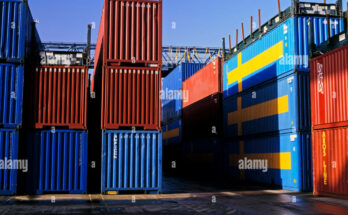

Libya’s main imported goods
Libya, a North African country with a vast oil-dependent economy, relies heavily on imports to meet the needs of its population and industries. The country’s main imported goods reflect its economic structure, limited local production, and dependence on foreign suppliers. Below is an overview of Libya’s primary imports:
1. Machinery and Equipment
One of Libya’s most significant import categories is machinery, including heavy machinery, electrical equipment, and industrial tools. These imports are essential for various industries, particularly in oil production, construction, and energy generation. Libya’s efforts to rebuild its infrastructure after years of conflict also drive the demand for construction machinery and equipment.
2. Food and Beverages
Libya imports a large proportion of its food, including wheat, rice, sugar, dairy products, and cooking oils. The country’s arid climate and limited agricultural capacity mean that it cannot produce enough food to sustain its population. Major trading partners for food imports include countries in Europe, Asia, and neighboring African nations.
3. Vehicles and Transportation Equipment
Vehicles, including cars, trucks, and buses, are another significant import. Libya depends on foreign suppliers for personal and commercial vehicles, as well as spare parts and maintenance equipment. This sector supports transportation for citizens and logistics for industrial activities.
4. Fuel and Refined Petroleum Products
While Libya is a major oil producer, it lacks sufficient refining capacity. As a result, the country imports refined petroleum products such as gasoline and diesel to meet domestic energy demands. This paradox reflects the challenges in its oil infrastructure.
5. Pharmaceuticals and Medical Supplies
Pharmaceuticals and medical supplies are critical imports for Libya due to the limited production capacity of the local healthcare sector. These imports include medicines, surgical instruments, diagnostic equipment, and vaccines, which are vital for the health and well-being of the population.
6. Chemicals and Fertilizers
Chemicals, including industrial and agricultural products, are another important import category. Fertilizers and pesticides are essential for Libya’s limited agricultural activities, while industrial chemicals support various sectors such as manufacturing and energy production.
7. Consumer Goods
Libya imports a wide range of consumer goods, including clothing, electronics, household appliances, and furniture. These items cater to the daily needs and preferences of its citizens, especially as domestic production of such goods is minimal.
8. Construction Materials
The rebuilding of infrastructure after periods of conflict has led to significant imports of construction materials, such as cement, steel, glass, and other building components. These materials are vital for reconstruction projects and urban development.
9. Technology and Telecommunications
Libya imports computers, mobile phones, and telecommunications equipment to support its communication networks and improve connectivity. These imports are crucial for both individual consumers and businesses.
Trading Partners
Libya’s main trading partners for imports include Italy, Turkey, China, Germany, and Egypt. These countries provide a diverse range of goods, from machinery and food to medical supplies and consumer products.
Conclusion
Libya’s reliance on imports underscores its need for foreign goods to sustain its economy and population. While the country possesses vast oil reserves, the lack of diversified industries makes it dependent on international trade. Addressing challenges in domestic production and refining capacity could reduce import dependency and strengthen Libya’s economic resilience.