
Libya’s main businesses
Libya’s main businesses are shaped by its abundant natural resources, strategic geographical location, and historical economic focus. The country has a predominantly oil-based economy, which drives most of its business activities. Despite ongoing political and social challenges, Libya offers significant potential in various sectors. Below is an overview of Libya’s main businesses:
1. Oil and Gas Industry
Libya’s economy is heavily reliant on oil and gas production. The country holds the largest proven oil reserves in Africa and ranks among the top ten globally. The oil and gas sector contributes over 90% of government revenue and export earnings. Major companies, including the National Oil Corporation (NOC), lead exploration, production, and export activities. Key oil fields like Sharara and El Feel are vital for production, while natural gas projects also play a crucial role, with exports to Europe via pipelines.
2. Construction and Infrastructure
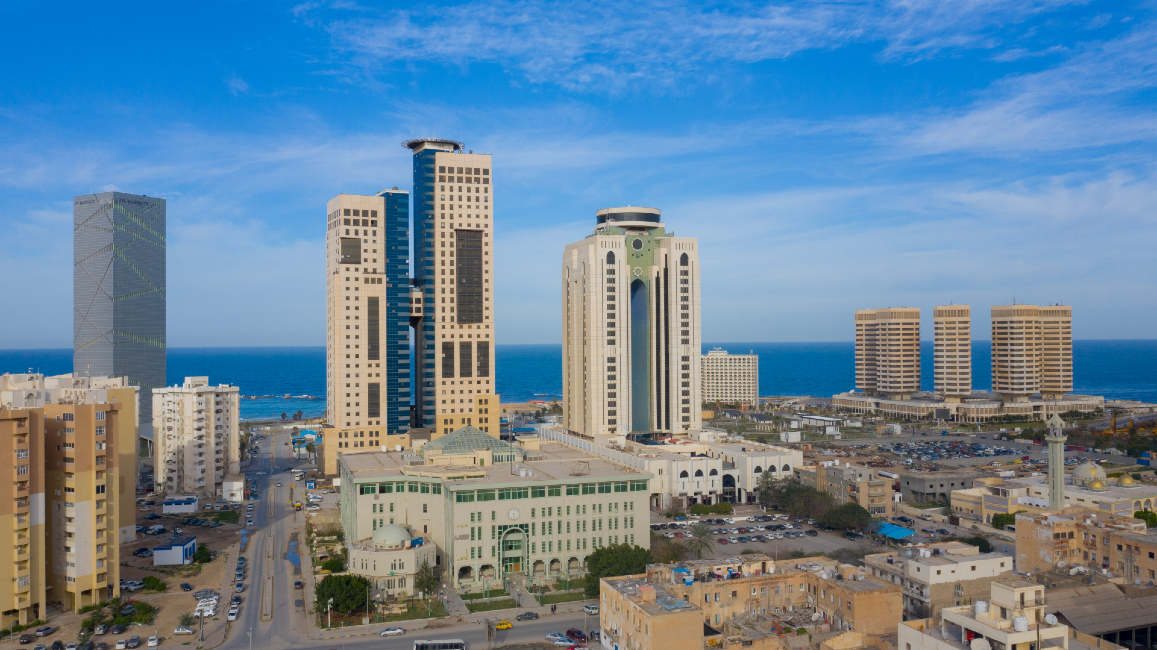
Post-conflict reconstruction has created opportunities in construction and infrastructure development. The government and international organizations are investing in rebuilding roads, airports, hospitals, and housing projects. Local and foreign companies are involved in construction contracts, particularly in urban centers like Tripoli, Benghazi, and Misrata.
3. Agriculture and Fisheries
Agriculture is another vital sector, though it faces challenges such as water scarcity and limited arable land. Main crops include wheat, barley, olives, and dates. Olive oil production is a significant contributor to local and export markets. The fisheries sector, especially Mediterranean seafood like tuna and shrimp, is gradually expanding.
4. Trade and Retail
Libya imports a wide range of goods, including food, machinery, and consumer products, creating a thriving trade and retail sector. Key trade partners include Italy, China, and Turkey. Small businesses and informal markets dominate retail, though modern shopping malls and supermarkets are emerging in urban areas.
5. Banking and Financial Services
The banking sector in Libya is central to its economy. The Central Bank of Libya regulates financial institutions, while commercial banks, such as Sahara Bank and Bank of Commerce & Development, provide essential services. However, the sector faces modernization challenges and currency exchange issues.
6. Tourism and Hospitality
Before political instability, Libya was a budding tourist destination known for its ancient Roman ruins, desert landscapes, and Mediterranean coastline. While the industry has declined, there is potential for revival, particularly in eco-tourism and cultural tourism, if stability improves.
7. Manufacturing and Industry
The manufacturing sector in Libya is relatively underdeveloped but includes the production of cement, steel, and petrochemicals. Small-scale industries produce textiles, food products, and building materials, mainly for local consumption.
8. Renewable Energy
Libya has immense potential in renewable energy, particularly solar power, due to its vast desert landscapes and high solar radiation levels. Investment in this sector is growing as the government seeks to diversify its energy mix and reduce reliance on fossil fuels.
9. Telecommunications and Technology
The telecommunications sector has seen significant growth, with companies like Libyana and Almadar providing mobile and internet services. There is increasing interest in expanding digital infrastructure and e-commerce platforms.
Challenges and Opportunities
Despite its economic potential, Libya’s business environment is hindered by political instability, security concerns, and regulatory hurdles. However, ongoing efforts to stabilize the country, coupled with international support, could unlock significant growth opportunities across various sectors.
Libya’s main businesses continue to be shaped by its vast natural resources, demographic needs, and strategic location, offering a mix of challenges and opportunities for investors and entrepreneurs.