Famous banking companies in Libya
Libya’s banking sector is relatively small but plays a crucial role in the country’s economic development and financial stability. The financial industry in Libya is dominated by a mix of state-owned and private banks, with operations largely centered on retail banking, foreign exchange, and limited corporate banking. Despite challenges due to political instability, the banking sector continues to adapt and provide essential services. Below are some of the most notable banking institutions in Libya:
1. Central Bank of Libya (CBL)
The Central Bank of Libya is the primary regulatory authority overseeing the country’s banking sector. Established in 1956, it is responsible for monetary policy, issuing currency, maintaining price stability, and supervising commercial banks. The CBL plays a pivotal role in managing Libya’s foreign reserves and controlling the exchange rate.
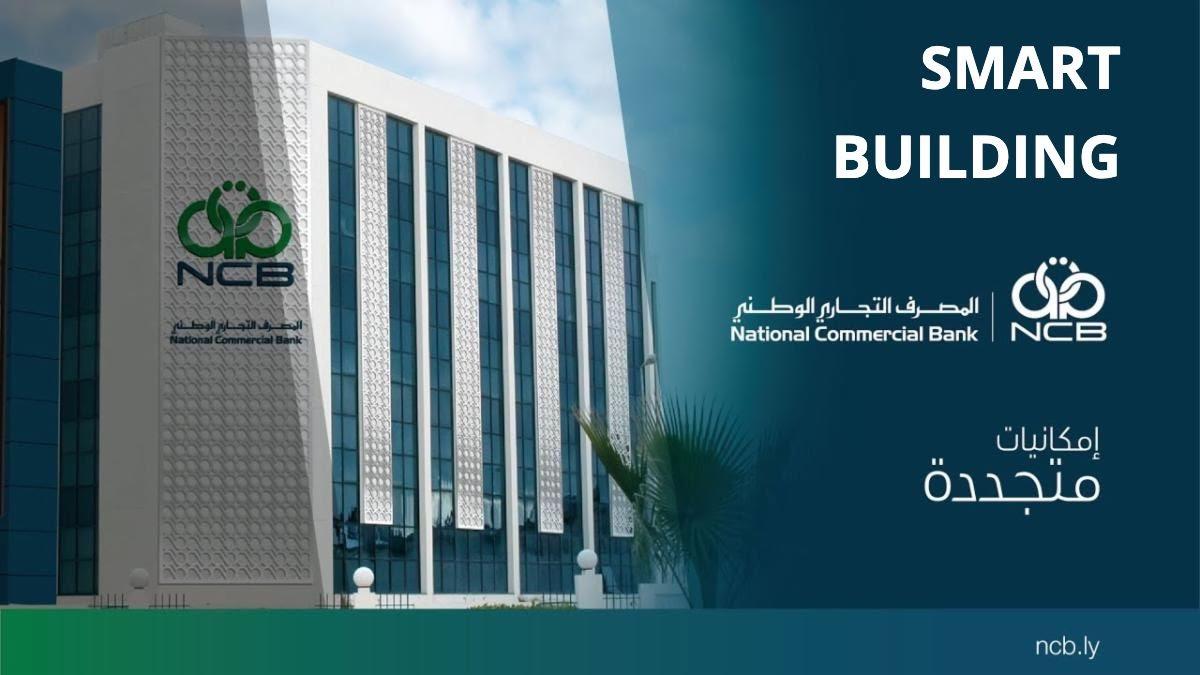
2. National Commercial Bank (NCB)
As one of Libya’s largest and oldest banks, the National Commercial Bank has an extensive network of branches across the country. It offers a wide range of services, including personal loans, business financing, and foreign exchange services. The bank is heavily involved in government projects and remains a key player in Libya’s financial infrastructure.
3. Bank of Commerce and Development (BCD)
The Bank of Commerce and Development is one of the most prominent private banks in Libya. Known for its modern approach to banking, BCD offers innovative financial products and services, including online banking and credit card facilities. It is also involved in financing small and medium-sized enterprises (SMEs).
4. Jumhouria Bank
Created from the merger of two major banks—Al-Ummah Bank and Al-Jumhouria Bank—this institution is one of the largest in Libya. Jumhouria Bank provides a comprehensive range of financial services, including savings accounts, loans, and trade finance. Its extensive branch network ensures it serves a significant portion of the Libyan population.
5. Sahara Bank
Established in the 1960s, Sahara Bank was initially part of the broader international banking system due to its partnership with BNP Paribas, although this partnership ended in recent years. It remains a key player in the Libyan banking industry, offering corporate and retail banking services.
6. Wahda Bank
Wahda Bank is a major player in Libya’s banking sector, known for its strong regional presence. It provides a variety of financial services, including personal banking, corporate financing, and international trade services. Wahda Bank has made efforts to modernize its services, including introducing digital banking solutions.
7. Libyan Foreign Bank (LFB)
The Libyan Foreign Bank primarily deals with international transactions and investments. It plays a crucial role in managing Libya’s overseas financial interests and facilitating trade between Libya and other nations. The LFB is a major stakeholder in many foreign banking ventures.
Challenges in the Banking Sector
Political Instability: Ongoing political uncertainty has affected the banking sector’s growth and operations, limiting access to international markets.
Currency Exchange Issues: The dual exchange rate system creates inefficiencies and complicates international trade.
Limited Modernization: Many banks still rely on outdated infrastructure, though efforts are underway to improve digital banking services.
Future Outlook
With continued efforts to modernize the banking system and stabilize the economy, Libya’s banking sector holds potential for growth. Financial reforms, coupled with foreign investments, could enhance the sector’s efficiency and expand its services, benefiting businesses and individuals alike.