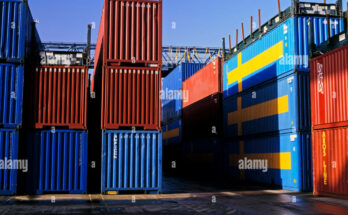

Product distribution companies in Libya
Libya, located in North Africa, has a growing economy primarily driven by its oil and gas sector. While its industrial and retail sectors are less developed than in some neighboring countries, there are notable opportunities for product distribution due to Libya’s increasing demand for imported goods. The country relies heavily on imports for essential commodities, consumer goods, and industrial supplies. Below is an overview of product distribution companies and their roles in Libya.
1. Overview of the Libyan Distribution Market
Libya’s product distribution sector has faced challenges due to political instability and infrastructure limitations. However, the sector is adapting, with businesses utilizing Libya’s strategic location in the Mediterranean region to establish trade routes. Distribution companies play a critical role in ensuring goods reach retailers and consumers across the country.
2. Key Sectors for Distribution
Food and Beverage: Libya imports a significant portion of its food supply. Distribution companies in this sector focus on handling perishable and non-perishable items, serving supermarkets, local shops, and wholesalers.
Pharmaceuticals and Medical Supplies: A vital sector, with companies distributing medicines and healthcare equipment to hospitals, pharmacies, and clinics.
Consumer Electronics and Household Goods: As urbanization increases, there is growing demand for electronics, appliances, and household essentials.
Industrial and Construction Supplies: With ongoing reconstruction efforts, the demand for building materials and equipment has surged.
3. Notable Product Distribution Companies in Libya
Several local and international companies operate in Libya’s distribution sector, focusing on importing and distributing goods across various industries:
United Distribution Company (UDC): Based in Tripoli, UDC specializes in distributing food products, beverages, and household goods. It partners with global brands to cater to local markets.
PharmaLibya: A major distributor of pharmaceutical products and medical devices, serving healthcare institutions across Libya.
Almadar Distribution: Focuses on consumer electronics and communication devices, supplying retailers and businesses nationwide.
Libyan International Trading & Contracting Company (LITC): Active in the construction sector, distributing building materials, machinery, and equipment.
Mediterranean Shipping Company (MSC): Provides logistics and supply chain services, facilitating the distribution of various goods within Libya and to neighboring countries.
4. Challenges for Distribution Companies
Despite growth opportunities, product distribution companies in Libya face several challenges:
Political Instability: Fluctuating governance affects business operations and supply chains.
Infrastructure Deficits: Limited road networks, inefficient ports, and insufficient warehousing impact distribution efficiency.
Regulatory Complexities: Import restrictions and varying customs regulations create additional hurdles for companies.
Security Concerns: Ensuring the safety of goods during transportation remains a priority, especially in less stable regions.
5. Opportunities for Growth
Despite these challenges, the Libyan distribution market holds potential:
Strategic Location: Libya’s proximity to Europe, the Middle East, and Africa provides a unique advantage for trade.
Rising Consumer Demand: The increasing population and urbanization drive demand for quality goods.
International Partnerships: Collaborations with foreign investors and logistics companies are helping modernize the distribution network.
Technology Adoption: Digital platforms and automated systems are gradually being introduced to streamline operations.
Conclusion
Libya’s product distribution companies play a vital role in sustaining the country’s supply chain amidst challenging conditions. While the sector faces obstacles, the potential for growth is significant, particularly as infrastructure improves and international trade relations strengthen. By investing in technology, logistics, and partnerships, distribution companies in Libya can expand their operations and meet the rising demand for goods across the nation.