
Liberia’s main imported goods
Liberia, a West African nation with a growing economy, primarily imports goods that support its infrastructure, economic development, and daily consumer needs. The country’s main imported goods include machinery, vehicles, fuels, food products, and construction materials, reflecting its efforts to rebuild and modernize its economy. Below is an overview of Liberia’s key imports:
1. Machinery and Equipment
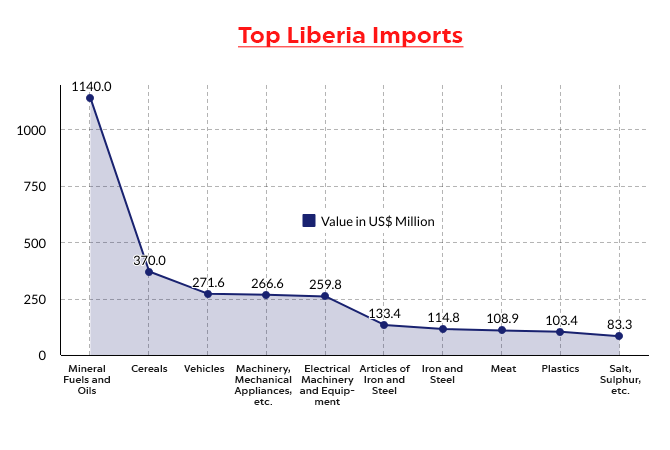
Liberia heavily relies on imports of machinery and equipment, which are crucial for sectors like agriculture, mining, construction, and manufacturing. This includes industrial machinery, power generation equipment, and telecommunications devices. As Liberia seeks to enhance its industrial and agricultural productivity, the demand for advanced machinery remains significant.
2. Vehicles and Transport Equipment
The importation of vehicles, including cars, trucks, and buses, is essential for improving transportation infrastructure. These vehicles support public transport, logistics, and individual mobility. Liberia also imports motorcycles and spare parts, which are widely used for commuting and small-scale transport businesses.
3. Fuel and Petroleum Products
Fuel imports, including gasoline, diesel, and kerosene, play a vital role in Liberia’s energy and transportation sectors. The country’s reliance on imported petroleum products is substantial due to its limited domestic refining capacity. These fuels are essential for powering vehicles, generators, and industrial operations.
4. Food and Beverages
Liberia imports a significant amount of food products, including rice, wheat, and processed foods, to meet domestic consumption needs. Rice, in particular, is a staple food and a major import item. Liberia also imports beverages, cooking oil, and sugar to supplement local production and cater to the growing population.
5. Construction Materials
With ongoing infrastructure development projects, Liberia imports construction materials such as cement, iron, steel, and aluminum. These materials are used in building roads, bridges, housing, and commercial establishments. The construction sector’s growth has driven a steady demand for these imports.
6. Pharmaceuticals and Medical Equipment
Healthcare in Liberia relies significantly on imported pharmaceuticals and medical supplies. This includes medications, diagnostic tools, surgical instruments, and protective gear. These imports are crucial for addressing public health needs and combating diseases.
7. Electronics and Consumer Goods
Electronics such as mobile phones, computers, and household appliances are widely imported to meet consumer demand. These items are essential for communication, education, and improving living standards. Liberia also imports textiles, clothing, and other consumer goods for retail markets.
8. Chemicals and Fertilizers
Chemicals, including fertilizers, pesticides, and industrial chemicals, are critical imports for Liberia’s agricultural and industrial sectors. Fertilizers, in particular, support agricultural productivity, which is a cornerstone of the Liberian economy.
Trade Partners
Liberia’s main trade partners for imports include countries like China, India, the United States, and several European nations. These countries supply a variety of goods ranging from heavy machinery to everyday consumer items. Regional trade within West Africa also plays a role in importing certain goods.
Challenges and Prospects
While Liberia’s imports are essential for development, they also highlight the country’s dependency on external goods. The trade deficit poses economic challenges, prompting the government to prioritize domestic production in key sectors. Nonetheless, imports remain vital for sustaining growth and improving the quality of life for Liberians.
In conclusion, Liberia’s main imports encompass machinery, vehicles, fuels, food products, and construction materials, reflecting the nation’s developmental needs and consumer demands. These imports are integral to Liberia’s economic growth and modernization efforts.